





“Substance is one; some call it God, others Nature.”
— Spinoza
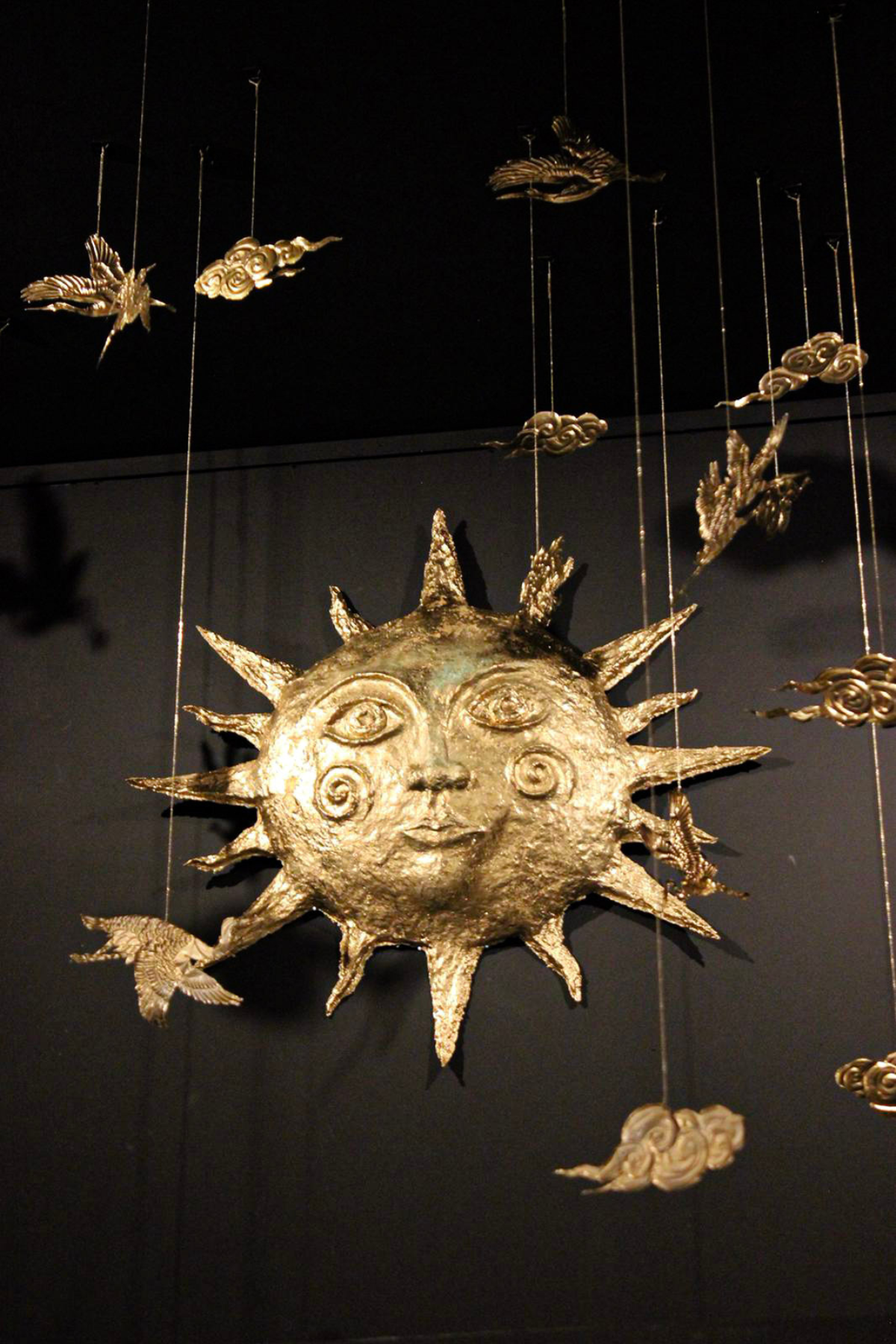
Substance refers to the essence that remains unchanged behind appearances, the self-existent nature of being. According to Spinoza, the universe consists of a single substance called God or Nature; everything is a mode of this substance—a stone, a bird, a thought, or a splash of color. The Cevher exhibition was conceived as a space where art makes these modes visible: each artwork is a different manifestation of the same essence.
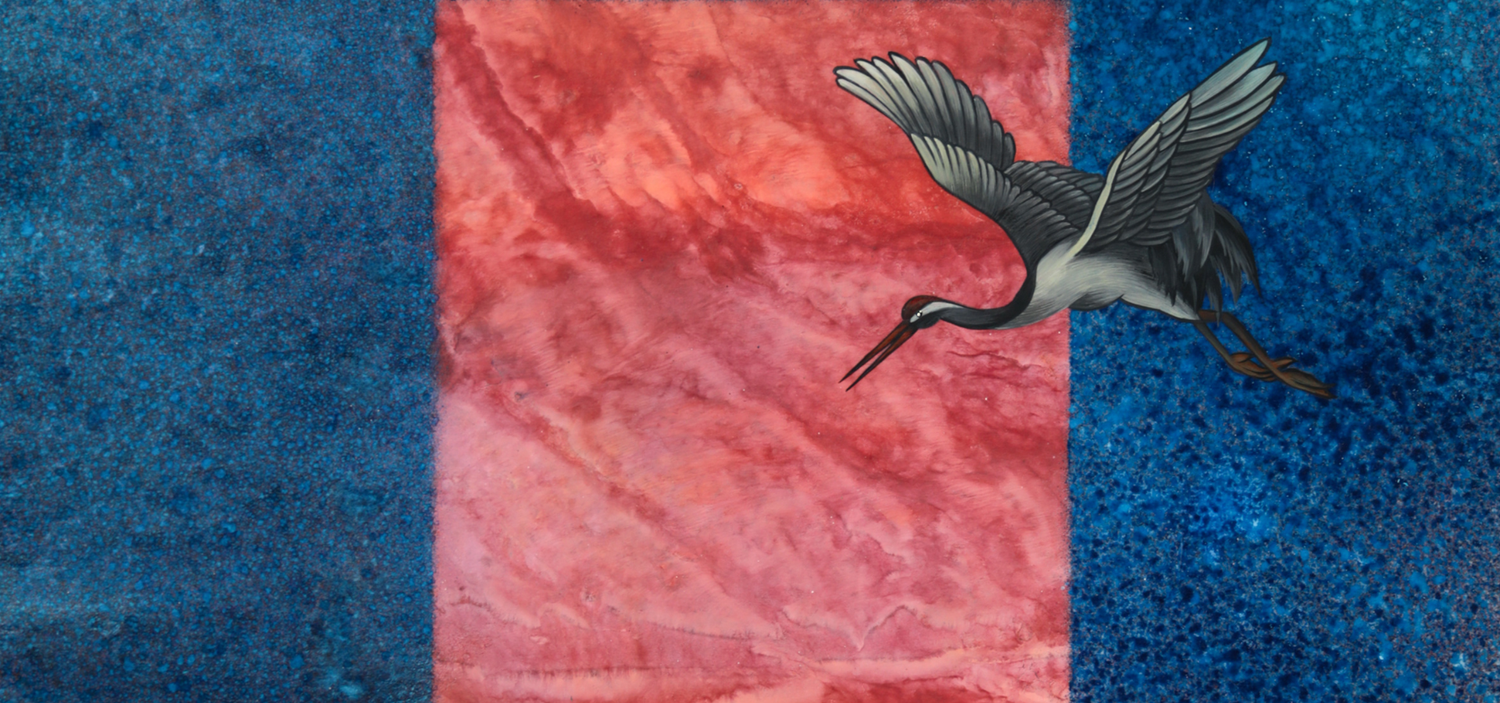
Yunus Özaksu’s practice draws from the cycle of nature, the transformation of matter, and the collective memory of symbols. On paper surfaces colored with walnut shells and henna stone, the artist translates the miniature tradition into a contemporary language. The transition from the plain state of paper to a textured surface is linked to the “rawness–transformation–maturity” process in Sufi philosophy; each surface transforms into an inner journey of humanity with nature’s incidental traces.
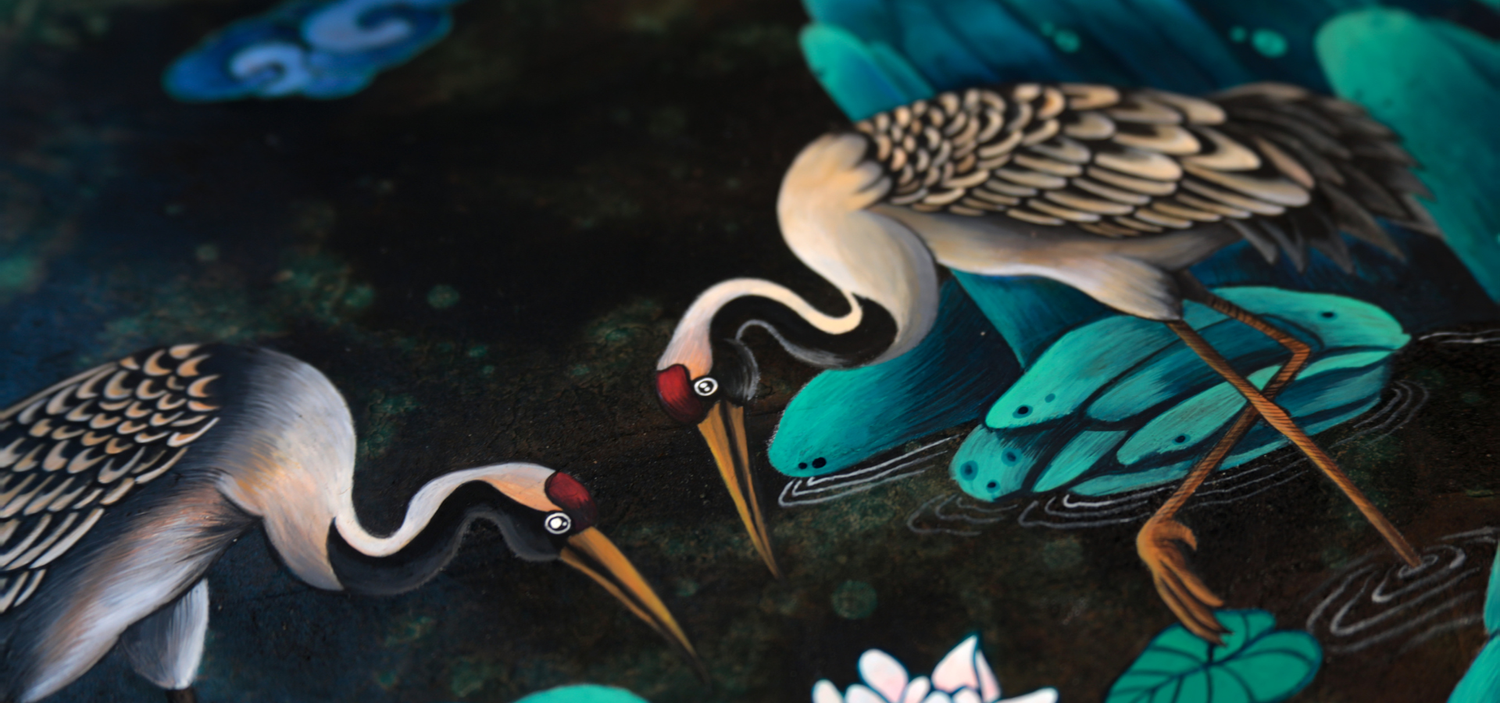
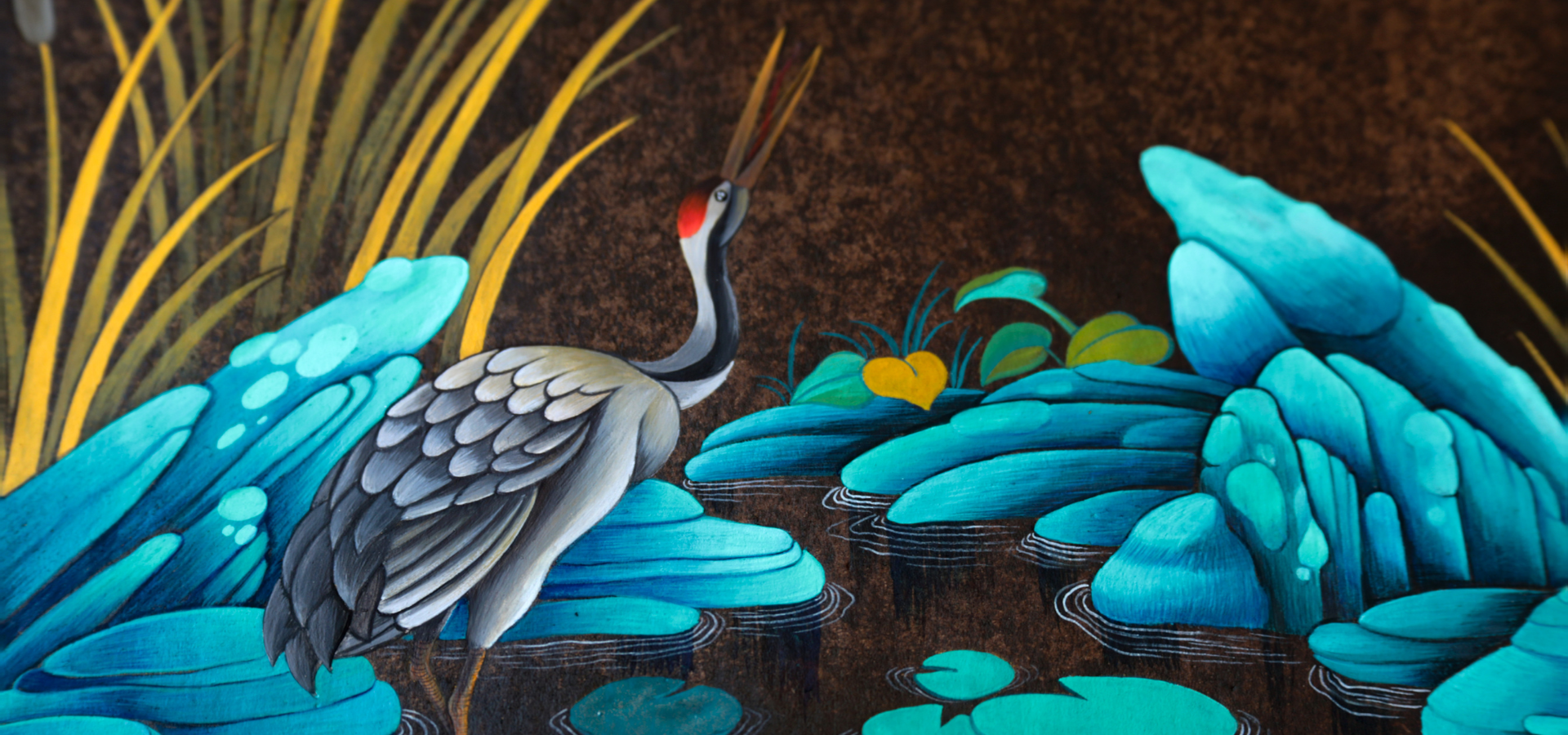
The crane figures emerging on these textures evolve from individual beings into a collective symbol. Like in ancient Turkic mythology and Buddhist iconography, the crane builds a bridge between loyalty, freedom, and spiritual purification. Together with the lotus, it becomes a harbinger of purification and rebirth rising from muddy roots.
Throughout the exhibition, the works depict sections from the general lives and movements of cranes, and their ‘transformation’ processes are also narrated in a storytelling manner. The lotus, which became part of Central Asian art with the adoption of Mahayana Buddhism by the Uyghurs, symbolizes the soul’s liberation from worldly attachments as a pure flower opening in dirty water. In Özaksu’s works, the lotus also tells the viewer a symbolic indicator of the transformation process that crane birds are undergoing. Like the lotus flower, cranes have become harbingers of purification and rebirth rising from muddy roots and the protagonists of a collective transformation story.
Özaksu’s works reveal the potential of a singular spark to transform into a social movement. Each bird represents both an individual intuition and a collective consciousness. Stains taken from nature, combined with the traces of water and time, accompany humanity's inner journey, the process of purification and transformation.
Cevher invites the viewer to an intellectual journey beyond a visual experience. Every bird, every pattern, every surface carries the potential for a singular spark to transform into the universal whole. Just like Spinoza’s modes, they are all different manifestations of the same substance.